
You feel worried the moment your leather sofa starts losing its shine. Small cracks appear. The surface feels dry. You wonder if you are cleaning it wrong. That confusion is real. Leather looks strong, but it needs the right care to stay beautiful.
You feel confident when you understand the basics clearly. Learning how to care for leather furniture helps you protect its texture, color, and comfort. Once you follow the right method, your furniture stays soft, clean, and long-lasting without extra effort.
Why Leather Furniture Needs Proper Care
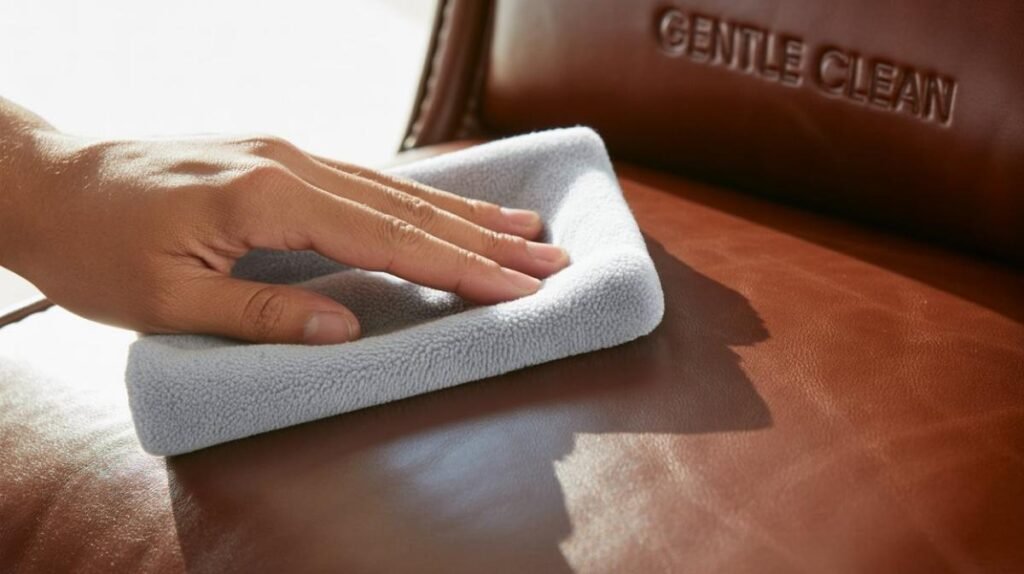
You notice the difference when leather is treated well. It feels smooth, flexible, and rich in color. Leather is a natural material. It needs moisture balance to stay healthy. Without care, it dries out and starts cracking over time.
You face problems when you ignore small signs. Dust, heat, and sunlight slowly damage the surface.You notice the damage only when it is too late. Regular care protects your leather furniture and helps it stay fresh for years.
Types of Leather Furniture You Must Understand First
You make better decisions when you know your material. Real leather is durable and develops a natural look over time. Faux leather is cheaper but needs different care. Nubuck and suede are softer but more sensitive.
You avoid damage when you treat each type correctly. Real leather needs conditioning. Faux leather needs gentle cleaning. Nubuck needs extra protection from moisture. Grasping these concepts is the best way to prevent typical maintenance errors.
Also Read: How to Care for Teak Outdoor Furniture Complete Easy Guide 2026
Best Way to Clean Leather Furniture Safely
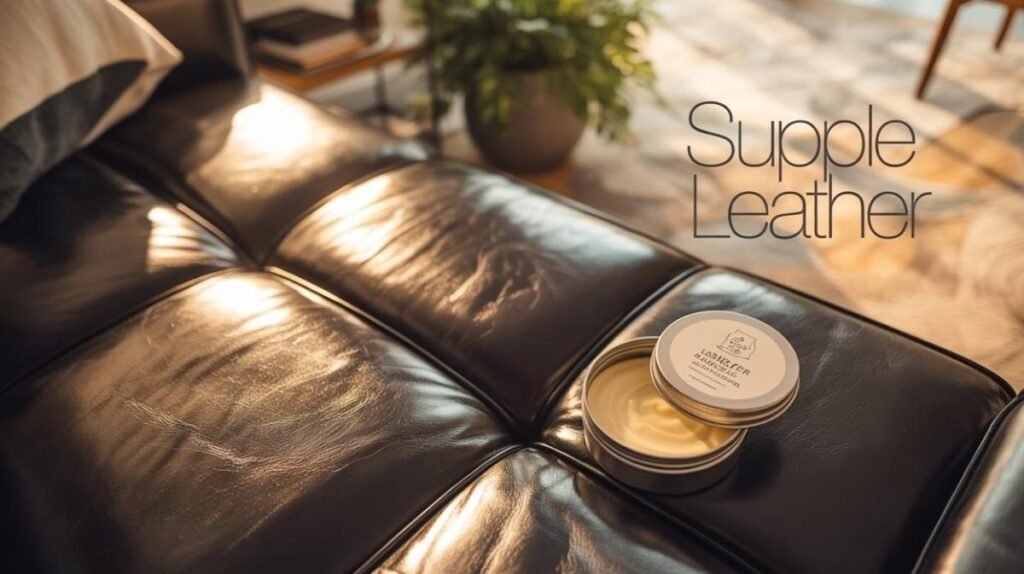
You feel relaxed when cleaning becomes simple. Use a dry cloth to remove dust first. Then wipe gently with a damp cloth using mild soap. This removes dirt without harming the leather surface.
You get better results with regular cleaning. Weekly light cleaning prevents buildup. Avoid strong chemicals because they strip natural oils. This keeps your leather furniture soft and protected.
Step-by-Step Cleaning Process
You feel more confident when the steps are clear and easy to follow. Use this simple method to clean leather safely:
- Start with a soft, dry cloth to remove dust from the surface
- In a small container, combine a splash of gentle detergent with clean water.
- Dip a cloth lightly and wipe the leather gently
- Avoid using too much water to protect the material
You see better results when you finish the process correctly:
- Take a clean, dry cloth and remove any leftover moisture
- Let the leather dry naturally in open air
- Position your furniture in a spot protected from intense sun and heat sources.
This easy routine helps your leather stay clean, smooth, and long-lasting without causing damage.
How to Condition Leather Furniture the Right Way
You notice a big difference after conditioning. Leather becomes soft, flexible, and fresh. Conditioning replaces lost moisture and prevents cracks.
You improve results when you do it at the right time. Apply conditioner every few months. Do not overuse it because too much product can damage the surface. A balanced routine works best.
What Can Damage Leather Furniture
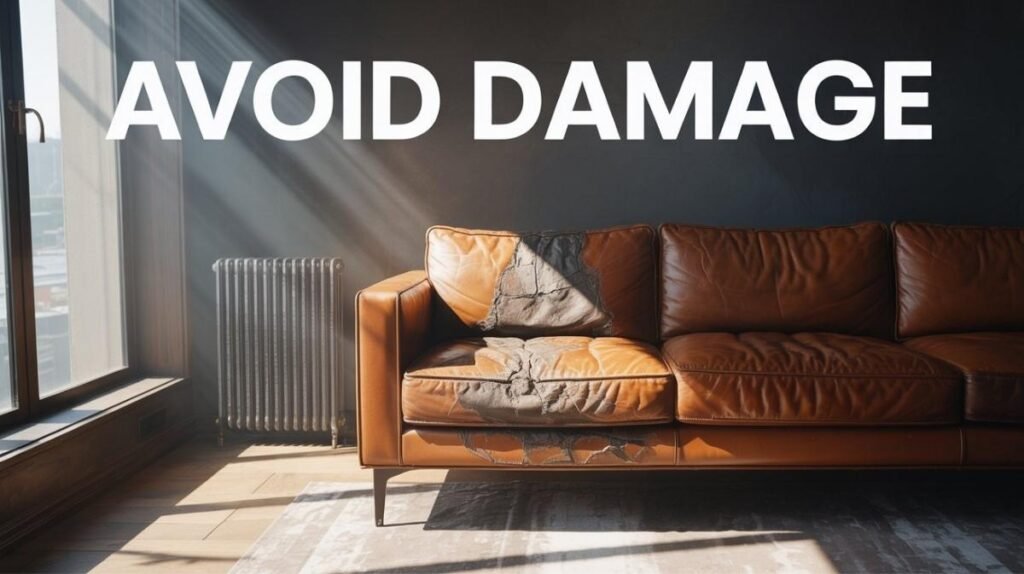
You feel frustrated when damage appears suddenly. Direct sunlight fades the color. Heat dries the leather.Using the incorrect cleansers can lead to surface splitting and flaking
You stay ahead of damage when you act with care. Place your furniture away from direct heat and always choose gentle, safe products. These small habits help preserve the quality and keep your furniture looking good for years.
Natural and Homemade Leather Care Methods
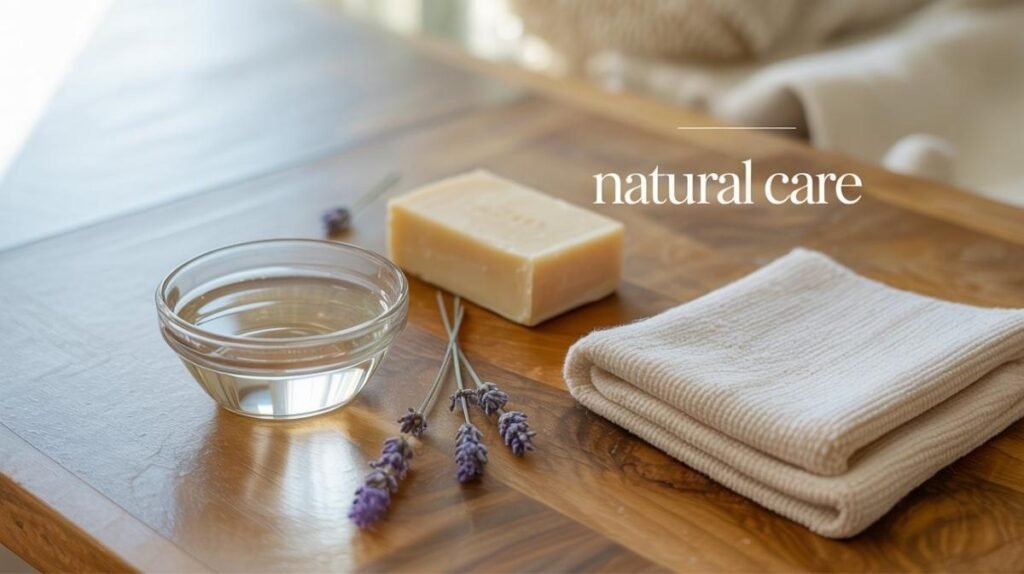
You feel smart when simple solutions work. A mix of water and mild soap is safe for cleaning. A simple mixture of vinegar and water is often effective at lifting minor surface blemishes.
You protect your furniture when you stick to gentle methods. Harsh DIY mixes can harm the leather surface. Test any solution on a small hidden area first. This simple step helps prevent damage and keeps your leather in good condition.
How to Fix Scratches, Stains, and Cracks
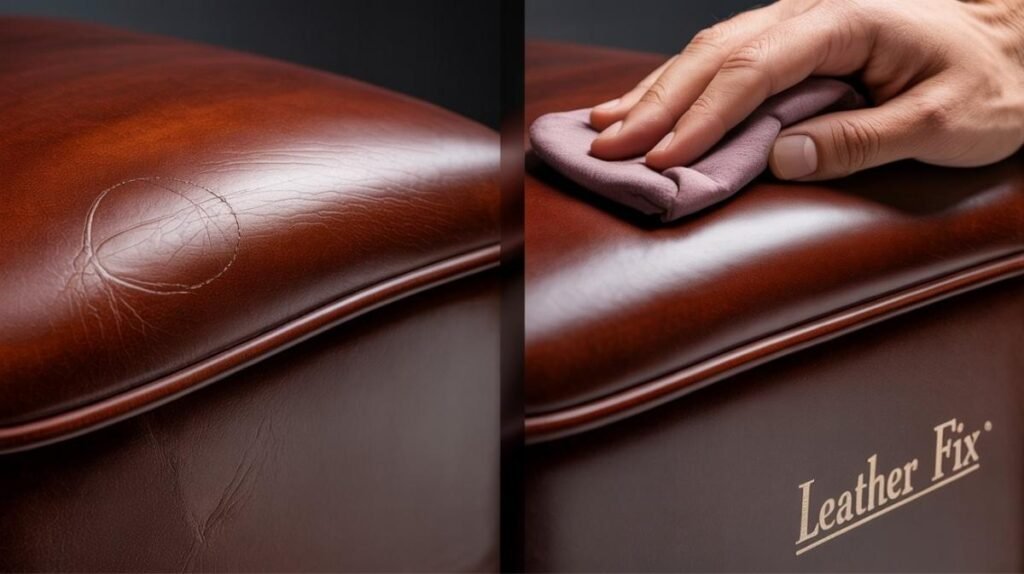
You feel hopeful when damage is fixable. Light scratches can be reduced with gentle rubbing. Conditioning also helps restore the surface.
You get better results when you act early. Blemishes are much simpler to eliminate if you tackle them immediately after they happen. Deep cracks may need professional repair. Quick action saves your furniture.
Leather Furniture Care Tips for Long Life
You feel in control when you follow simple habits. Clean regularly. Keep it away from sunlight. Condition when needed. These small steps protect your furniture.
You build long-term results with consistency. Daily care is not difficult. It just needs awareness and routine.
Do’s and Don’ts of Leather Furniture Care
You feel clear when rules are simple. Always clean gently and use safe products. Keep the surface dry and protected.
You avoid costly mistakes when you stay informed. Never use harsh chemicals. Do not soak leather in water. Avoid direct heat and sunlight.
Final Thoughts on Leather Furniture Care
You feel confident when everything makes sense. Leather furniture is strong but needs attention. With the right care, it stays beautiful for many years.
You move forward with clarity. Now you know how to care for leather furniture the right way. Simple habits will keep your furniture looking new and comfortable.
FAQs
What is the best way to take care of leather furniture?
The most effective outcomes come from maintaining a simple approach.. Clean regularly, avoid harsh chemicals, and condition the leather every few months to keep it soft.
Are you supposed to condition leather furniture?
You protect your furniture when you condition it. Conditioning helps maintain moisture and prevents cracking over time.
What can ruin a leather couch?
You damage leather when you expose it to sunlight, heat, and strong cleaners. These factors cause fading, dryness, and cracks.

Leo Brooks is an expert in botanical oils and aromatherapy. He focuses on the healing power of scents, guiding you through the intricate process of blending essential oils for wellness, relaxation, and a balanced lifestyle.