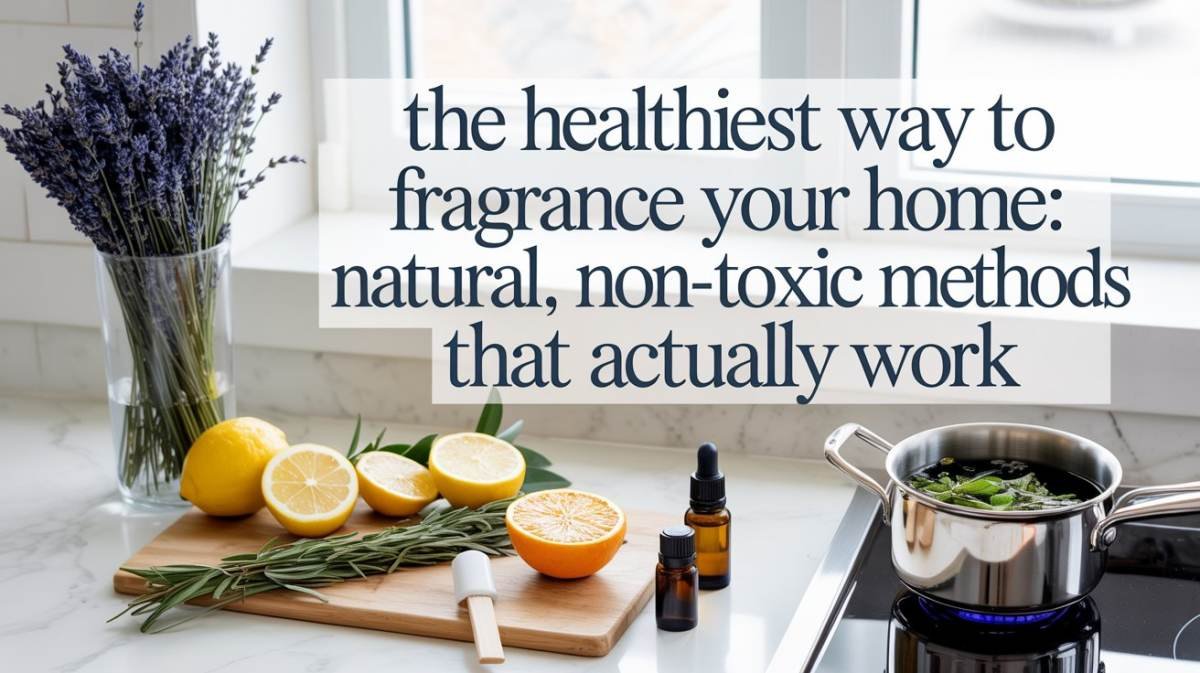
Walk into someone’s home and within seconds you know whether it feels welcoming or not. A big piece of that comes from scent.? The way it smells. But here’s the uncomfortable truth most people never stop to think about that fresh linen plug-in or that heavily scented candle might be doing more harm than good to the air you and your family breathe every single day.
So what is the healthiest way to fragrance your home? The honest answer is: you go back to nature. In this guide, we’ll walk through every safe, effective, and genuinely pleasant-smelling option available from stovetop simmer pots to essential oil diffusers so your home can smell wonderful without filling it with invisible chemical toxins.
Why Store-Bought Air Fresheners Are Harming Your Home
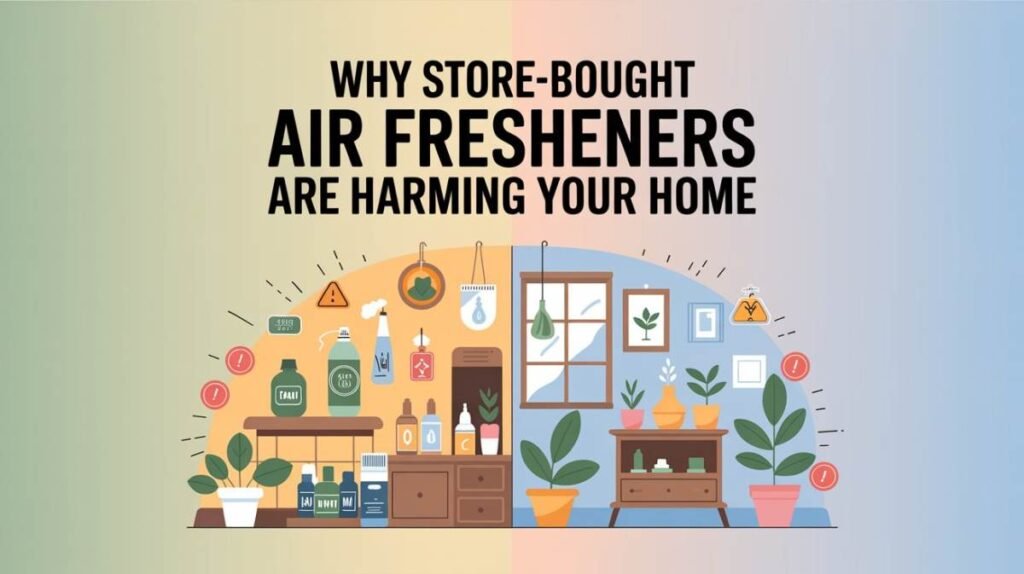
Most commercial air fresheners plug-ins, aerosol sprays, scented candles rely on synthetic fragrance compounds that can contain over 3,000 different chemicals. Because these formulas are legally protected as trade secrets, none of it shows up on the label. That one word “fragrance” could represent hundreds of undisclosed ingredients, including:
- VOCs gases that irritate the lungs and have been found in over 130 forms across 25 common household fragrance products
- Phthalates endocrine-disrupting plasticizers that help scents linger
- Formaldehyde a known carcinogen used as a fixative
- Synthetic musks compounds that bio-accumulate in the body over time
Worse still, most of these products don’t actually eliminate odours they just mask them with something stronger. Natural methods, by contrast, either neutralize odours at the source or introduce genuinely plant-derived fragrance your body knows how to handle.
Also Read : Best Reed Diffusers for Home: Long-Lasting Scents for Every Room
Here’s how natural and synthetic options compare before we dive into the methods:
| Method | Safety Level | Scent Duration | Cost | Additional Benefits |
| Simmer pot | Very High | Hours | Very Low | Zero synthetic ingredients |
| Essential oil diffuser | High | 1–2 hours | Low | Therapeutic, antimicrobial |
| Beeswax candles | High | Hours | Medium | Air ionising effect |
| Dried botanicals | Very High | Days–weeks | Very Low | Decorative |
| DIY room spray | Very High | 1–3 hours | Very Low | Customisable |
| Activated charcoal | Very High | Months | Low | Odour elimination, not masking |
| Conventional plug-in | Low | Continuous | Low | None |
| Aerosol spray | Low | Minutes | Low | None |
The Healthiest Ways to Fragrance Your Home Naturally

The Healthiest Ways to Fragrance Your Home Naturally
1. Stovetop Simmer Pots
If you have never tried a simmer pot, you are missing one of the simplest pleasures in home fragrance. Just toss some fruit slices, a cinnamon stick, and a few herbs into a small pot of water, set it on low heat, and let the steam do the work.
Within minutes your whole home smells incredible and everything in that pot is something you could eat. No chemicals, no hidden ingredients, just real food making your house smell like a warm, welcoming kitchen.
Try orange and cloves in winter, lemon and rosemary in summer, and adjust the combinations however you like.
2. Essential Oil Diffusers
A good essential oil diffuser is one of the best investments you can make for your home. It fills the room with a fine, natural mist that not only smells beautiful but actually does something useful.
Eucalyptus helps clear the air of bacteria and supports your breathing. Lavender genuinely calms your nervous system and helps you sleep. Citrus oils like lemon carry a compound called limonene that fights airborne viruses.
Tea tree tackles mold and fungi. These are not marketing claims they are backed by real research. Run yours for 30 to 60 minutes at a time, use pure high-quality oils, and keep it away from pets and young children.
3. Beeswax and Plant-Based Candles
There is nothing quite like a candle for creating atmosphere and warmth in a room. The problem is that most cheap candles are made from paraffin wax a petroleum product and scented with synthetic fragrance.
That combination releases its own set of chemicals into the air while it burns. Switch to beeswax, soy, or coconut wax candles instead. Beeswax in particular burns incredibly cleanly and even releases negative ions that help clear dust and allergens from the air.
When buying scented versions, check that they use pure essential oils and a cotton or wood wick.
4. Activated Charcoal
Before you can make your home smell good, you need to get rid of what is making it smell bad. This is exactly where activated charcoal steps in. It is one of the most effective odour absorbers in existence it pulls in pet smells, damp, mustiness, and stale air like a sponge, without adding any fragrance of its own.
Place small sachets in wardrobes, under the sink, near pet areas, and inside shoes. When they stop working, set them out in direct sunlight for a few hours and they recharge completely. Reusable, waste-free, and genuinely effective.
5. Dried and Fresh Herbs, Flowers, and Botanicals
Nature has been providing home fragrance long before any plug-in freshener existed. Hang a bundle of fresh eucalyptus in your shower and the steam releases the oils every time you turn the hot water on.
Keep small dried lavender sachets in your drawers and linen cupboard. Grow basil, mint, rosemary, or thyme on your kitchen windowsill and brush past them as you cook. Tie dried herbs and citrus slices into bouquets and hang them around the house.
These things cost almost nothing, they look beautiful, and they smell exactly the way nature intended.
6. DIY Room Spray
Making your own room spray takes two minutes and costs almost nothing. Fill a small spray bottle with distilled water, add a splash of witch hazel or rubbing alcohol so the oil mixes in properly, then drop in 15 to 20 drops of whichever essential oil combination you love. Shake it before each use and spray it into the air or onto soft furnishings.
For a calm bedroom feel, try lavender, bergamot, and cedarwood. For an energising kitchen, go with lemon, peppermint, and rosemary. For a cosy living room, orange, clove, and cinnamon work beautifully.
7. Baking Soda
Baking soda is one of those humble kitchen staples that quietly outperforms most commercial products. It does not cover up bad smells it chemically neutralizes them by reacting with both acidic and alkaline odour molecules.
Mix a cup of it with 20 to 30 drops of your favourite essential oil, sprinkle the mixture over your carpet, leave it for about an hour, and vacuum it up. The room genuinely smells fresh afterwards not perfumed, just clean. You can also leave an open jar of the mixture sitting in any room and it will quietly absorb odours day after day.
8. Houseplants
Houseplants are one of the most underrated tools for a fresh-smelling home. Spider plants and snake plants silently absorb formaldehyde, carbon monoxide, and VOCs from the air around them. Peace lilies do the same while adding a soft, clean green fragrance.
If you want something more noticeable, jasmine fills a room with a delicate floral scent every evening, and gardenias are intensely fragrant in the most natural, unforced way. They clean the air, they look stunning, and they bring a living energy to any space.
9. Treat Your Fabrics, Not Just the Air
Most people spray something into the air and wonder why the smell disappears in two minutes. The reason is that odour does not live in the air it lives in your fabrics. Your sofa, your rugs, your curtains, your cushions and throws absorb and hold onto smells far more than the open air does.
When you mist your soft furnishings lightly with a natural room spray rather than spraying into empty space the fragrance lasts for hours instead of seconds. It is one of the simplest changes you can make and the difference is immediately noticeable.
10. Open Your Windows
This one costs nothing and yet most people skip it entirely. No amount of beautiful natural fragrance can save a home that has stale, trapped air circulating through it.
Modern homes are sealed tightly for warmth and energy efficiency, which means pollutants, moisture, pet dander, cooking fumes, and off-gassing from furniture all build up inside.
Open your windows for 15 to 20 minutes each morning. Run your kitchen and bathroom fans regularly. Change your HVAC filters on schedule. Fresh air is the foundation everything else is built on get that right first and every other method in this guide will work twice as well.
What to Avoid When Scenting Your Home
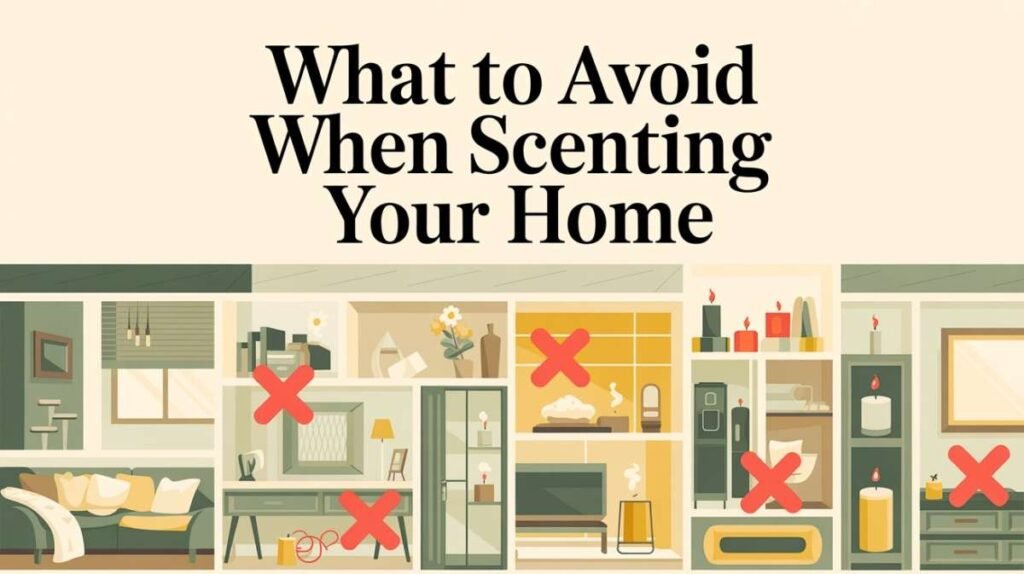
As a final note, here are the things worth keeping out of your home fragrance routine:
- Plug-in air fresheners designed for continuous chemical emission directly into your breathing air
- Aerosol sprays with fragrance or parfum on the label
- Paraffin candles with synthetic fragrance double chemical load
- Gel air fresheners often high in VOCs
- Incense sticks while natural-sounding, burning incense produces particulate matter and smoke that can irritate the respiratory system with heavy use
The Bottom Line
The healthiest way to fragrance your home is to work with nature rather than trying to outsmart it with lab-made compounds. A stovetop simmer pot on a Sunday afternoon, a eucalyptus oil diffuser in your bedroom, dried lavender in your linen drawers, and an open window in the morning these things cost almost nothing, carry no health risks, and create a home that smells genuinely, authentically beautiful.
The goal isn’t just a good-smelling house. It’s a home where the air itself supports your health, your mood, and the wellbeing of everyone who walks through your door.
Frequently Asked Questions
What is the healthiest way to fragrance your home?
Use natural methods like stovetop simmer pots, essential oil diffusers, and dried botanicals. They add zero synthetic chemicals to your air and many actively improve indoor air quality at the same time.
Are essential oil diffusers safe to use every day?
Yes, with simple precautions. Run it for 30 to 60 minutes at a time, use pure high-grade oils, and keep it away from pets and small children as certain oils can be harmful to animals.
Why are plug-in air fresheners bad for your health?
They continuously release synthetic chemicals including VOCs, phthalates, and formaldehyde directly into your breathing air, non-stop, every single day. That constant exposure is the real problem.
How do I make my home smell good naturally on a budget?
A simmer pot uses spices already in your kitchen. Baking soda with a few drops of essential oil deodorizes any room for pennies. Opening your windows every morning costs nothing and makes every other method work better.
What absorbs bad smells naturally?
Activated charcoal sachets are the most effective they trap odour molecules without adding any scent. Baking soda neutralizes them chemically. Both actually eliminate the smell rather than covering it up.
Are scented candles safe?
It depends on the wax. Paraffin candles with synthetic fragrance release VOCs when burned avoid them. Beeswax, soy, or coconut wax candles with pure essential oils and a cotton wick are a clean, safe alternative.

Leo Brooks is an expert in botanical oils and aromatherapy. He focuses on the healing power of scents, guiding you through the intricate process of blending essential oils for wellness, relaxation, and a balanced lifestyle.